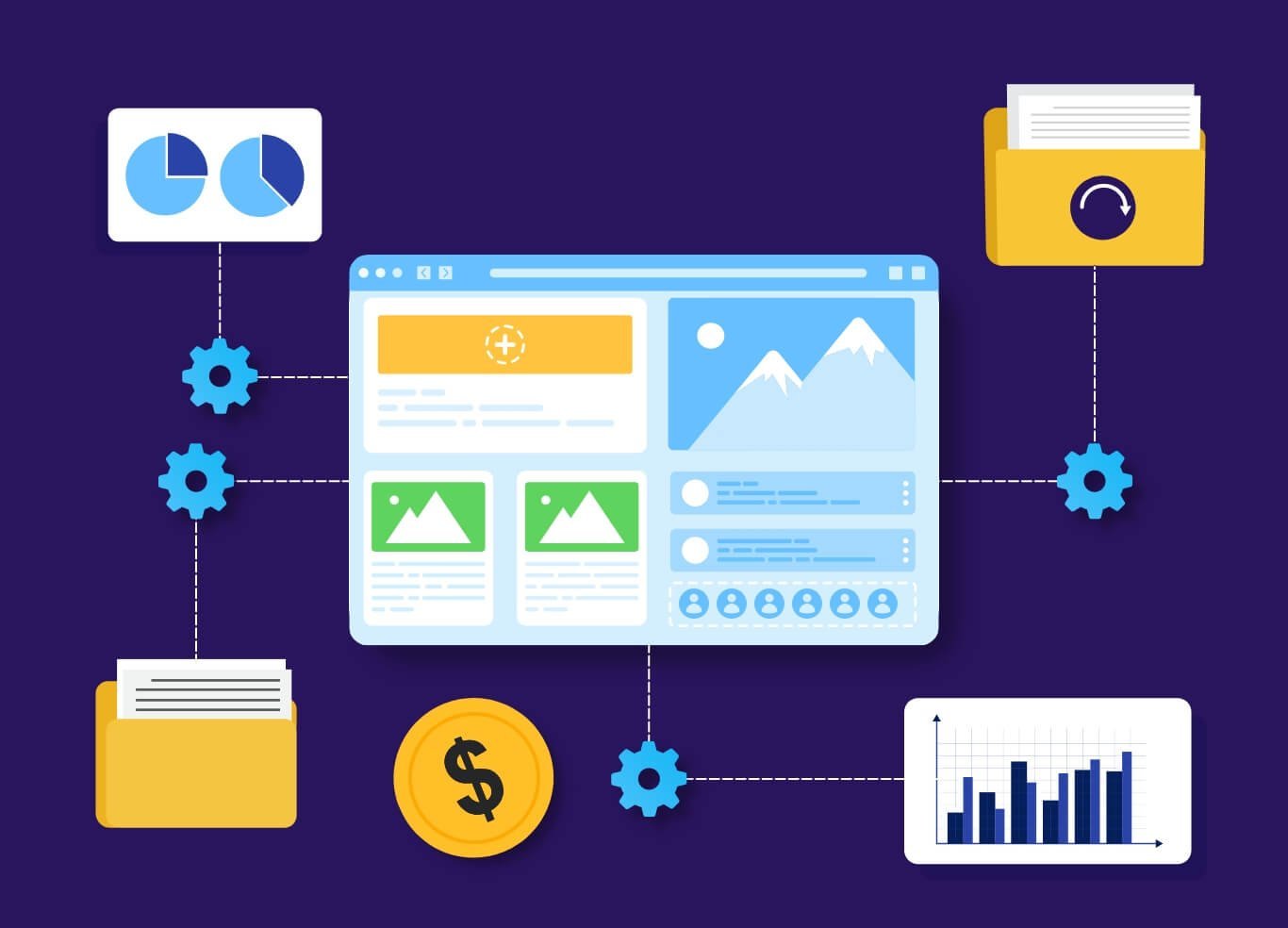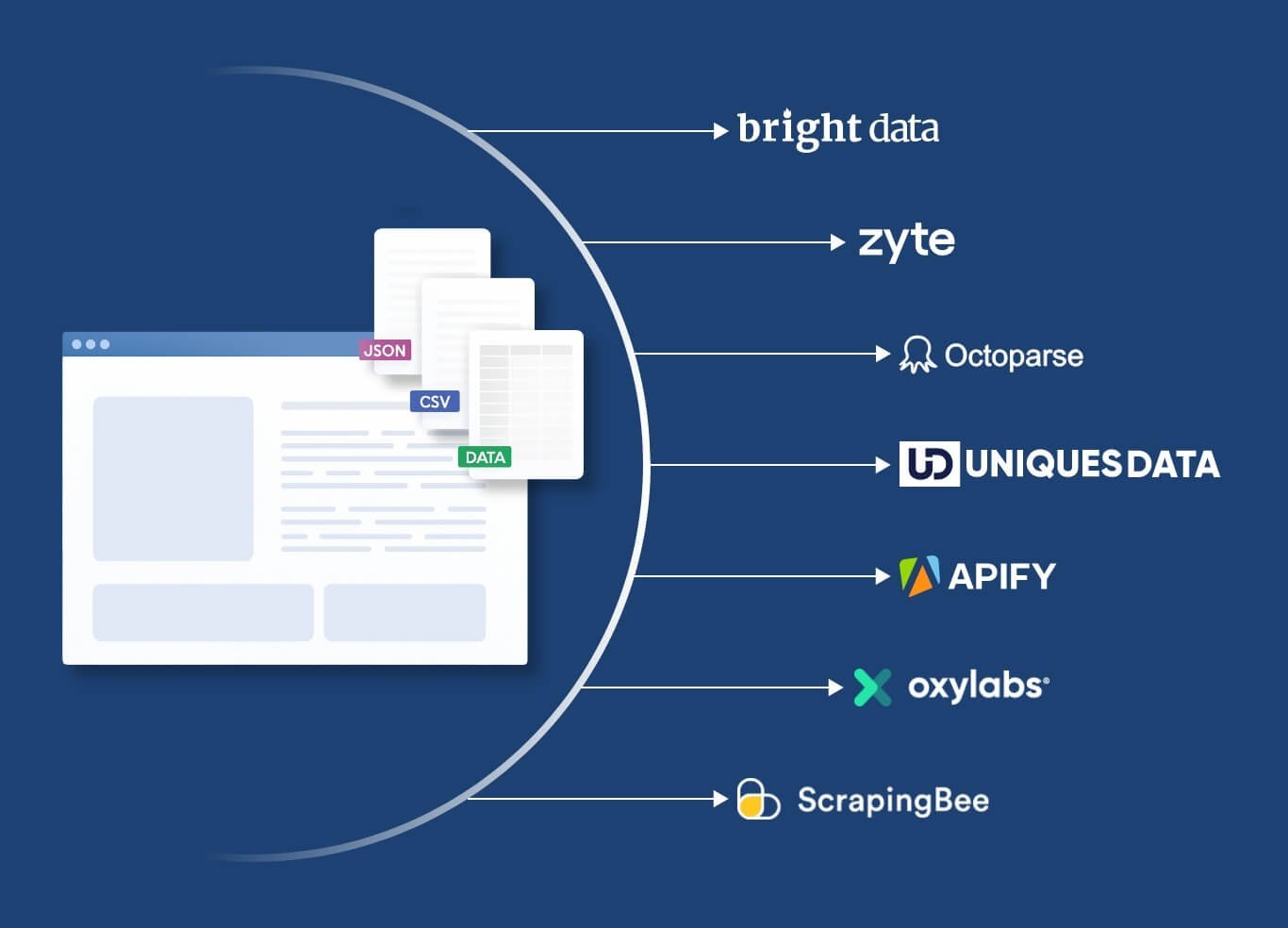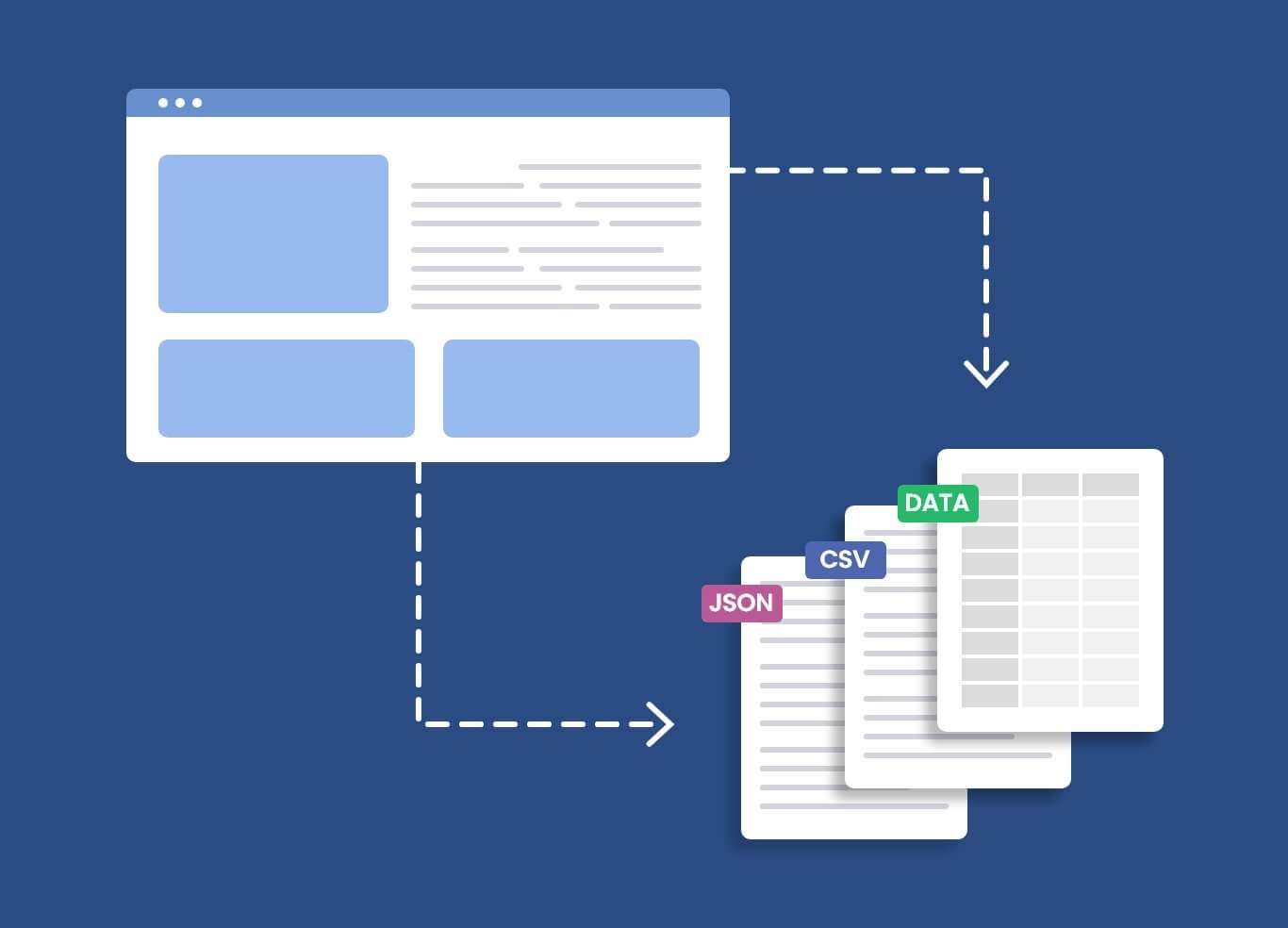
Modern businesses rely on data to make strategic decisions, stay ahead of the market, and analyze competitors for better growth. Web scraping services has become an increasingly powerful approach for modern organizations to collect a lump sum amount of information as required. Due to digitalization, online data is more useful than traditional data, web scraping has become a vital outlook. However, businesses implementing web scraping services require technical expertise as it involves key steps, identificational content and privacy rights, right tools to extract desired detail and more.
Setting up an entire web scrapers team in house is an expensive decision therefore, businesses opt for partnering with the right web scraping service provider. A reliable web scraping provider helps businesses collect relevant publicly available information, organize it into structured datasets, and prepare it for analysis. However, choosing the right web scraping companies requires more than comparing prices. Businesses must evaluate data quality, technical expertise, scalability, security, and compliance.
What is a Web Scraping Provider?
Web scraping companies specialize in extracting information from websites using automated tools and technologies. The collected information can include product details, pricing information, business listings, industry trends, customer reviews, and other publicly accessible data.Instead of gathering information manually, businesses can use web scraping solutions to collect large volumes of data in structured formats such as CSV, Excel, JSON, or through APIs. For example, an e-commerce company can use web scraping services to monitor competitor pricing, while a market research firm can collect industry information to identify emerging trends.
7 Factors to Consider When Choosing a Web Scraping Services Provider
Define Your Business Data Requirements
Before evaluating providers, identify what information the business needs and how to use the web data extraction information. Consider the following questions for outlining business objectives before partnering with any service provider;
- What websites or online sources need to be covered?
- Which data fields are important for your business?
- How much data do you need to collect?
- Do you require one-time extraction or regular updates?
- In what format should the data be delivered?
Clearly defined requirements help to choose the right web scraping provider with the required expertise that also aligns with business goals.
Evaluate Data Accuracy and Quality
Data quality is one of the most important factors when selecting a web scraping companies. Even large datasets offer limited value if they contain missing fields, duplicate records, outdated information, or inconsistent formatting. Ask potential providers how they validate extracted information and handle errors. Check whether they offer data cleaning services, deduplication, format standardization, and quality checks. Businesses should also request a sample dataset before committing to a large project. This helps to review completeness, consistency, relevance, and accuracy against the original sources.
Check Technical Expertise and Customization
Data collection processes from websites differ in structure, layout, access controls, and data presentation. A scraping solution that works for one website may not work effectively for another. Look for a provider with experience in website-specific extraction, structured data collection, handling changing page layouts, and maintaining scraping workflows. Customization is equally important. Your business may need information from multiple websites, specific data fields, or datasets delivered in a particular format. Ask whether the provider can adapt its approach to your requirements and maintain the solution as source websites change. The goal is to find a provider that understands your data needs rather than offering a one-size-fits-all solution.
Assess Scalability and Data Delivery Frequency
Your data requirements may change as your business grows. A small project today could eventually require information from hundreds of websites or millions of records. Choose a provider capable of scaling collection volumes without compromising quality or delivery timelines. Discuss how frequently data can be collected, whether daily or weekly updates are available, and how changes in website structure are managed. You should also confirm the delivery method. Depending on your workflow, you may need Excel files, CSV datasets, JSON, database delivery, or API integration. Reliable delivery and scalable processes help ensure your business has the information it needs when decisions must be made.
Review Data Security and Legal Compliance
Web scraping services should be conducted responsibly. Before selecting a provider, understand how it handles website terms, applicable privacy laws, intellectual property considerations, and access restrictions. Ask the provider how it determines whether a source can be scraped, protects collected information, and manages sensitive data. Public accessibility alone does not automatically mean every use or collection method is permitted. A professional provider should have clear data handling practices, appropriate access controls, and transparent policies for storing, transferring, and deleting information. If your project involves personal information, customer records, or regulated data, ensure the provider understands the relevant legal requirements in the jurisdictions involved.
Compare Pricing and Overall Value
Pricing is an important consideration, but the lowest quotation does not always represent the best value. Web scraping costs may depend on the number of websites, volume of records, extraction complexity, update frequency, data cleaning requirements, and delivery format. Some providers charge per project, while others use subscription-based or ongoing service models. When comparing proposals, ask what the quoted price includes. Check whether maintenance, quality assurance, revisions, data delivery, and ongoing support are covered. Evaluate the total cost against the expected business benefits, including reduced manual work, faster research, and improved access to actionable information.
Evaluate Communication and Ongoing Support
Web scraping is not always a one-time activity. Websites change, data structures evolve, and business requirements develop over time. Choose a provider that communicates clearly, provides realistic timelines, and offers a defined process for handling technical issues. Ask about progress updates, issue resolution, maintenance, and the process for requesting changes. A provider that understands your business objectives and responds effectively to changing requirements can become a valuable long-term data partner.
Why Does Choosing the Right Web Scraping Provider Matter?
Not all web scraping providers offer the same capabilities. Some focus on basic data extraction, while others provide customized scraping solutions, ongoing data collection, data cleaning, and integration with business intelligence platforms. Choosing the wrong provider can result in incomplete datasets, inaccurate information, project delays, and unexpected costs. The right provider helps you obtain reliable data, reduce manual effort, improve operational efficiency, and support data-driven decision-making. Before making your final decision, ask potential providers these questions:
- Can you provide a sample dataset or pilot project?
- How do you validate data accuracy and completeness?
- Can you handle multiple websites and changing page structures?
- Which data formats and delivery methods do you support?
- How do you approach legal compliance and data security?
- What is included in your pricing?
- Do you provide ongoing maintenance and support?
- Can the solution scale as our requirements grow?
Their answers will help you compare providers based on capabilities, transparency, and suitability for your business.
Why Choose Uniquesdata for Web Scraping Services?
Choosing a web scraping company should be about more than collecting information. The real objective is to obtain structured, usable data that supports business research and analysis. Uniquesdata helps businesses transform online information into organized datasets that can support competitor analysis, market research, product monitoring, and other data-driven activities. By aligning data collection with your business objectives, the focus remains on obtaining relevant information in a format your team can use effectively.
Concluding Thought
Choosing the right web scraping provider requires a careful assessment of your business requirements, data quality expectations, technical complexity, scalability, security, pricing, and ongoing support. The right web scraping provider helps turn online information into structured business data, making research more efficient and supporting better-informed decisions.
FAQ

What should businesses look for in a web scraping provider?
Look for data accuracy, technical expertise, customization, scalability, transparent pricing, responsible data handling, and reliable support. Request a sample dataset to evaluate the provider's work before committing to a larger project.
How much do web scraping services cost?
Costs depend on the number of websites, data volume, extraction complexity, update frequency, cleaning requirements, and delivery format. Request a customized quotation based on your specific business requirements.
Can web scraping providers collect data from multiple websites?
Yes. Providers can often collect data from multiple websites, depending on the technical structure, access restrictions, and permitted use of each source. The scope should be confirmed before the project begins.
Is web scraping legal for business use?
Web scraping legality depends on the source, type of information, collection method, applicable laws, website terms, and intended use. Businesses should assess these factors before collecting or using data and seek legal advice when necessary.
What data formats can a web scraping provider deliver?
Common formats include CSV, Excel, JSON, and database-ready datasets. Some providers also support API-based delivery or integration with existing business systems.
How can I ensure the quality of scraped data?
Request sample data, define required fields, and establish validation criteria. Check for missing values, duplicates, inconsistent formats, and outdated records. Regular quality checks can help maintain dataset reliability.