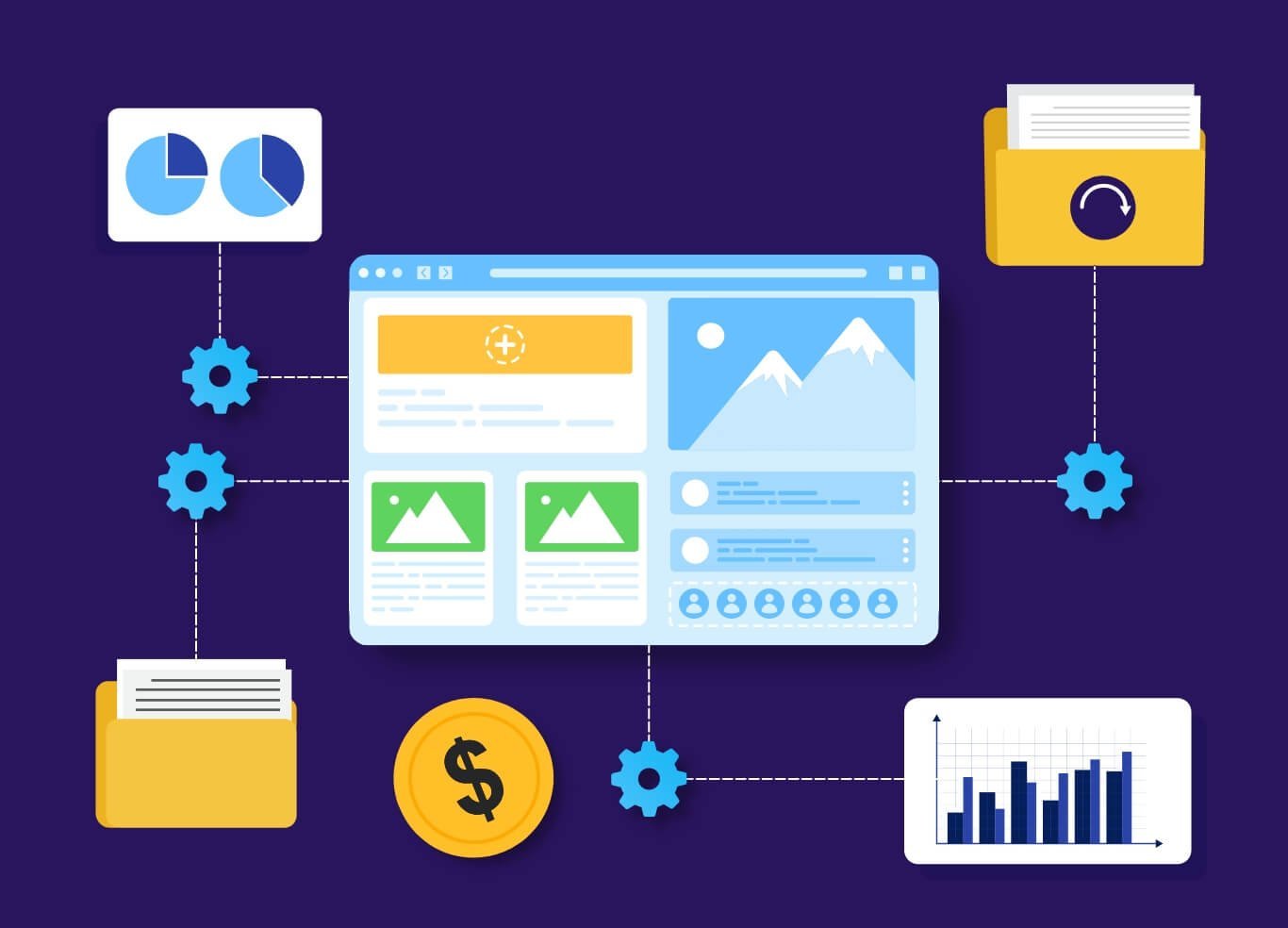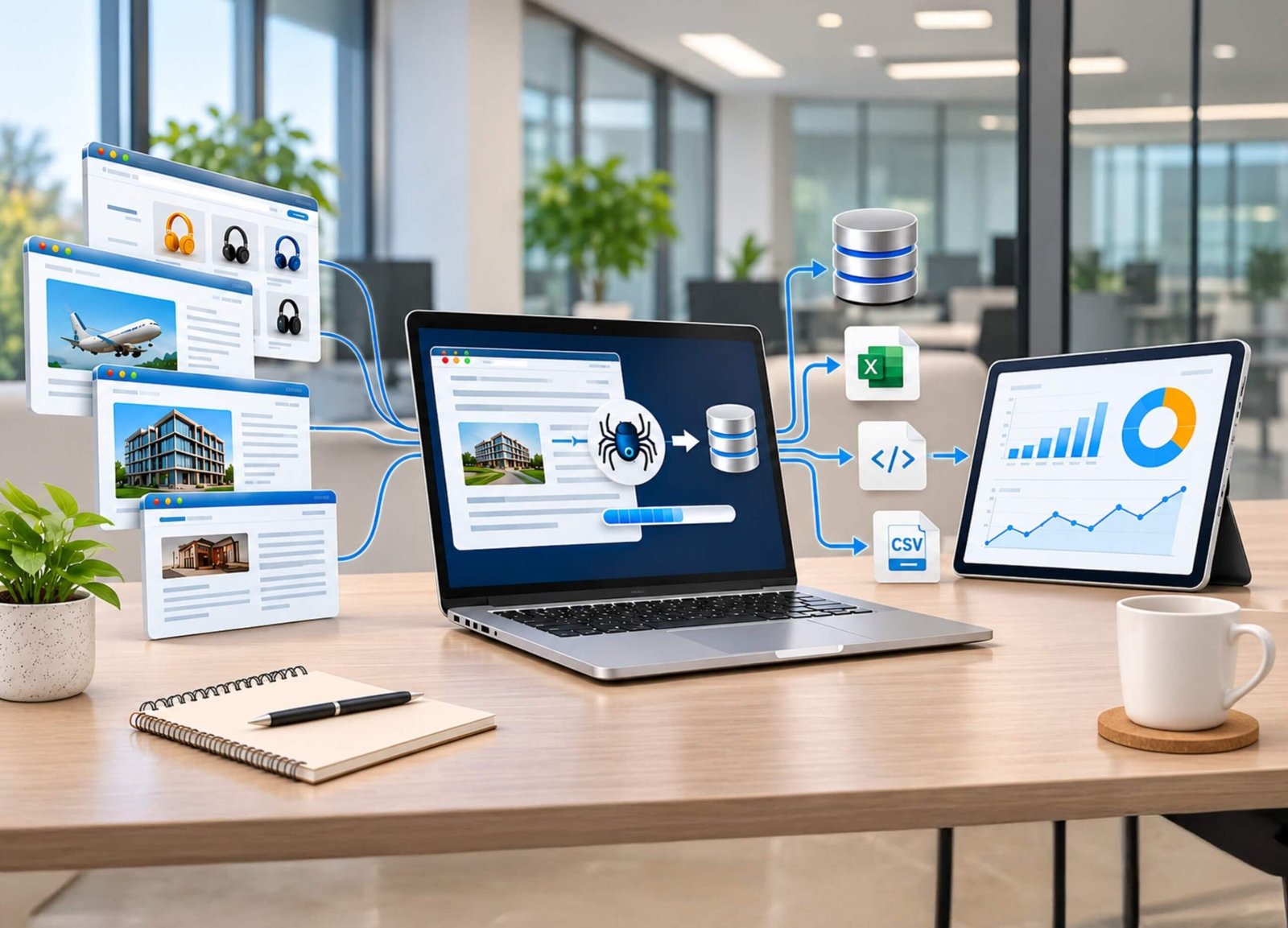
A digital business environment functions on accurate data that is structured, organized, cleaned and processed. However, generating and collecting data from multiple platforms often comes in raw format. One of the biggest and easiest sources is extracting true information from websites. This helps in understanding market scenarios, tracking competitors, identifying opportunities, informed decision making and streamlining the business workflow. Collecting relevant information from different websites manually isn’t just time consuming but also difficult to manage as business requirements grow. This is where custom web scraping services become a valuable approach for businesses.
It focuses on extracting required information based on objective, industry and operational needs. From competitor pricing to monitoring product information to market research, this allows firms to have hands-on structured and actionable information. However, custom web scraping isn’t just about extracting required data but entails core components that make the process successful.
Understanding Custom Web Scraping Solutions
Custom web scraping solutions are tailored data extraction processes designed to collect specific information from selected websites. They use specialized scripts, automation technologies, and data processing techniques to retrieve relevant information and organize it into structured formats. Unlike readymade scraping tools that offer predefined extraction features, custom solutions can be developed around particular websites, data fields, collection schedules, and delivery requirements.
For example, consider an online retailer that wants to monitor competitors’ product prices. A customized web scraping solution can be configured to collect:
- Product names and descriptions
- Product prices and discounts
- Product categories
- Availability information
- Customer ratings and reviews
- Competitor product URLs
The extracted information can then be cleaned, organized, and delivered through Excel, CSV, or database formats for further analysis. Web scraping transforms publicly accessible online information into structured datasets that businesses can use for specific purposes, subject to applicable permissions and legal requirements. Moreover following are key benefits of custom web scraping solutions for businesses.
- Relevant data collection
- Reduced manual work
- Improved data consistency
- Better competitor analysis
- Flexible data collection
Custom workflows can accommodate different websites, data fields, collection schedules, and output requirements.
Key Components of Custom Web Scraping Solutions
An effective custom web scraping solution involves more than simply extracting information. It combines different technical and data management processes to deliver usable results. Here are the key components:
- Data Source Identification: Identifying relevant websites and online sources is the first step. The selected sources depend on the type of information a business wants to collect.
- Customized Scraper Development: Scraping scripts are designed according to website structures and specific data requirements. This allows businesses to collect selected information rather than unnecessary website content.
- Dynamic Data Extraction: Some websites use JavaScript, interactive elements, and dynamic page loading. Custom scraping workflows can use suitable rendering or automation techniques to access permitted information from these pages.
- Data Cleaning and Validation: Raw data may contain duplicates, incomplete records, and inconsistent formats. Cleaning and validation processes help improve the quality of the collected information.
- Data Storage and Formatting: Extracted information is organized into structured formats such as spreadsheets, CSV files, JSON, or databases, depending on business requirements.
- Automation and Scheduling: Businesses can configure recurring data collection to reduce manual effort and maintain updated datasets.
- Data Integration: Collected information can be prepared for integration with CRM platforms, databases, business intelligence tools, and other internal applications.
Together, these components create a structured data collection process that can adapt to different business requirements.
Process of Custom Web Scraping Services
A custom web scraping workflow generally involves several steps, from identifying data requirements to delivering the final dataset.
- Step 1: Requirement Analysis: The process begins by understanding what information the business needs. This includes identifying target websites, required data fields, collection frequency, and preferred output formats.
- Step 2: Website Analysis: Developers examine the selected websites to understand their page structures, content organization, navigation, and technical requirements. This helps determine the appropriate extraction method.
- Step 3: Scraper Development: A customized scraping script or automation workflow is developed to extract the required information. Depending on website complexity, technologies such as Python, APIs, and browser automation may be used.
- Step 4: Data Extraction: The scraper collects relevant information from the selected pages. It may handle pagination, multiple product categories, dynamic content, and different website layouts.
- Step 5: Data Cleaning and Processing: The extracted information is checked for duplicates, missing values, inconsistent formats, and irrelevant records. Cleaning helps improve data consistency and usability.
- Step 6: Data Structuring and Delivery: Finally, the processed information is organized into the required format, such as Excel, CSV, JSON, or databases, and delivered for business use.
This workflow can also include automated scheduling and integration with existing business systems, depending on project requirements.
Ending Note
Custom web scraping has become more than just a service but an approach that enables businesses to have accurate information. It helps businesses move beyond manual data collection by creating structured workflows tailored to their specific requirements. From competitor monitoring and market research to product information extraction and business data collection, these solutions support a wide range of operational needs.
FAQ

What is a custom web scraping solution?
A custom web scraping solution is a tailored process that extracts specific information from selected websites based on business requirements. It includes website analysis, scraper development, data extraction, cleaning, and structured data delivery.
How does custom web scraping work?
Custom web scraping works by identifying relevant websites, analyzing their structures, developing extraction scripts, collecting required information, cleaning the data, and delivering it in structured formats such as Excel, CSV, or JSON.
What is the difference between custom web scraping and automated web scraping?
Custom web scraping focuses on developing extraction workflows according to specific business requirements. Automated web scraping refers to collecting website information automatically with minimal manual intervention. Custom scraping solutions can also include automation.
Which programming languages are used for custom web scraping?
Python is widely used for web scraping because of libraries such as BeautifulSoup, Scrapy, and Selenium. Other technologies and browser automation frameworks may also be used depending on website complexity and project requirements.
Can custom web scraping collect data from multiple websites?
Yes. Custom scraping workflows can collect information from multiple websites and consolidate it into structured datasets. The number of sources depends on technical feasibility, access permissions, and project requirements.