Managing documents in today’s modern era is one of the most challenging tasks. Handling large volumes of documents in any business can be a hurdle if not managed accurately. As documents contain crucial information, it is essential to ensure proper management, storage, and organization. Moreover, in the modern business landscape, managing documents efficiently has become a top priority. However, document management plays a vital role not only for private businesses but also for government bodies and entities. Since firms across different organizations have slowly adopted digitalization, which streamlines processes and optimizes overall operations.
Nonetheless, digitalization rapidly increased in the market, offering various benefits and enhancing the business’s workflow. With significant advantages and the ability to manage lump sum documents, government associations and bodies have adopted the digital approach. As a fact, government bodies or organizations have manual working processes that are slow, prone to human errors, at risk of document loss, and more. This can lead to significant loss and missing information.
The volume of government records and documents continues to grow even today. And some documents could be decades old or even centuries old, which are crucial for legal processes, decision-making, security matters, and more. Therefore, for government bodies, digital document management is a game-changer for government associations and bodies. As the concept allows professionals to accurately manage and store crucial documents in digital format, it brings quick access, easy transfer, secure documents, and more.
Digitization has transformed how government bodies store, manage, and retrieve information. Additionally, it is extremely overwhelming for government bodies to manage large volumes of documents. Governments have essential data that is confidential in nature and requires it to be stored securely.
In today’s digital economy, data is both an asset and a liability. While it fuels innovation and informs critical business decisions, it also carries the heavy burden of regulatory compliance, data privacy laws (like GDPR, HIPAA, and CCPA), and the ever-present threat of a security breach.
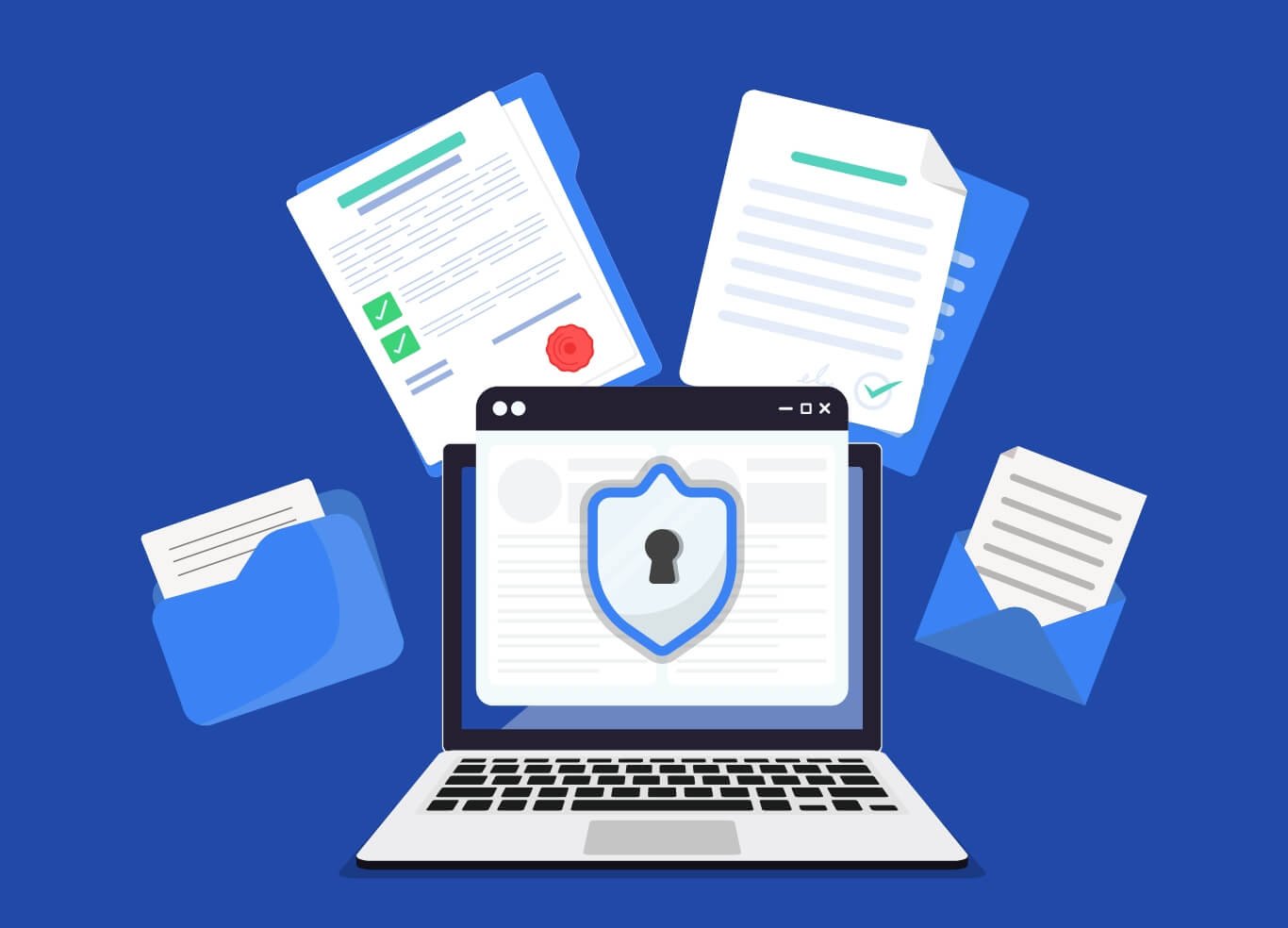
For many organizations, the Achilles’ heel in their data management strategy remains the mountain of paper documents. This is where secure document digitization steps in, transforming unstructured, vulnerable paper into secure, searchable, and compliant digital data. It is not just about going “paperless”; it is about building a foundation for robust data governance and automated compliance.
Streamline Data Security with Document Digitization
Key Insights to Document Digitization
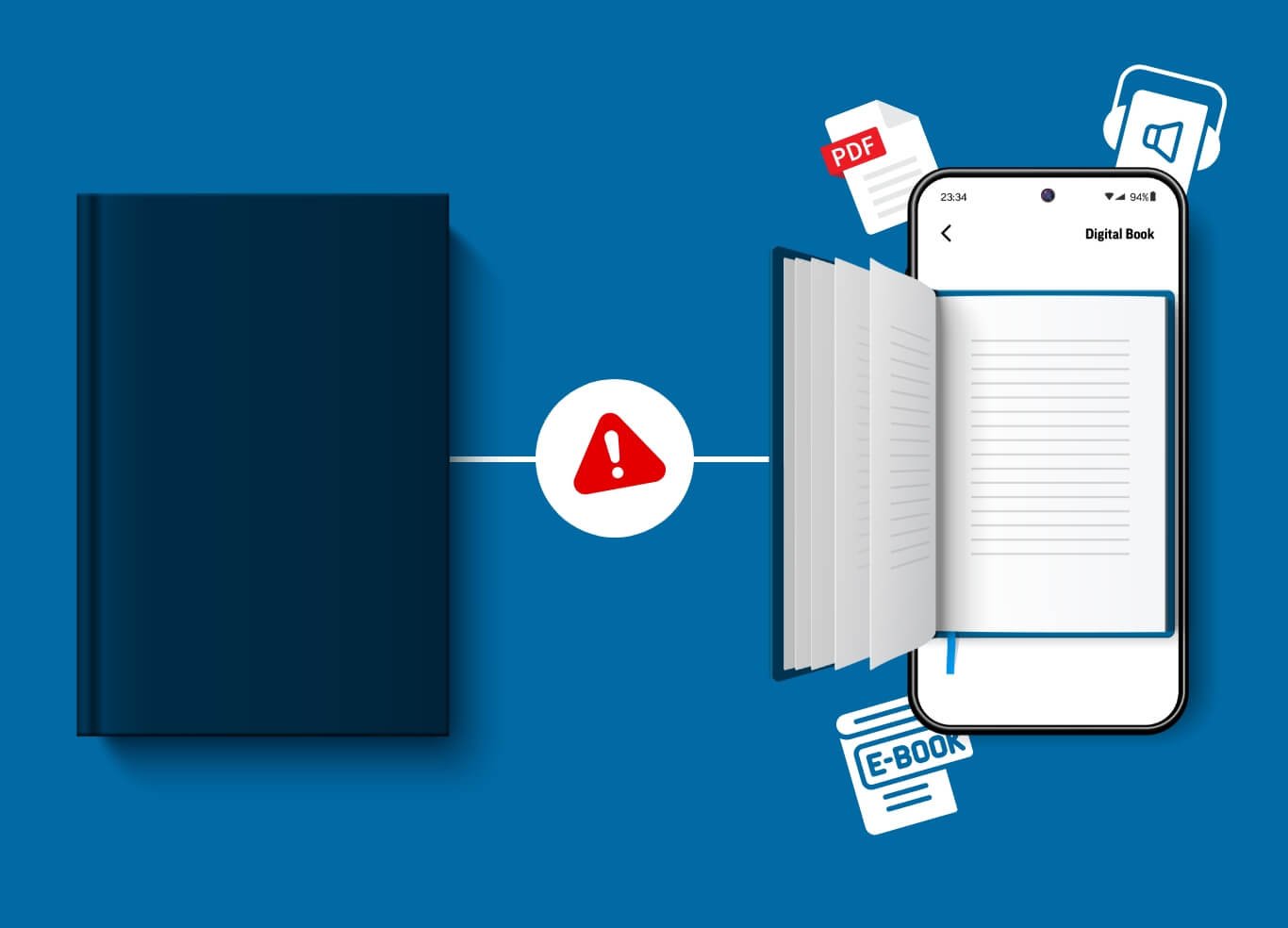
The economy is fast-growing and advancing rapidly through technology and innovation, and businesses have slowly adopted the new approach. To stay ahead of the market competition and thrive in the market, digitization is evident. Digitization is a concept in which businesses transform their operations from traditional to digital, resulting in streamlined processes and more efficient management. While data is a crucial resource, it comes in various formats from different sources.
Documents are the most common and over-generated type of data that contain vital information, making them a priority for secure storage. Similarly, government bodies or associations have an overwhelming volume of crucial documents that are confidential, regulated, and subject to strict policies. Hence, data digitization services are one of the comprehensive solutions that enable professionals to enhance data management, security, and organization.
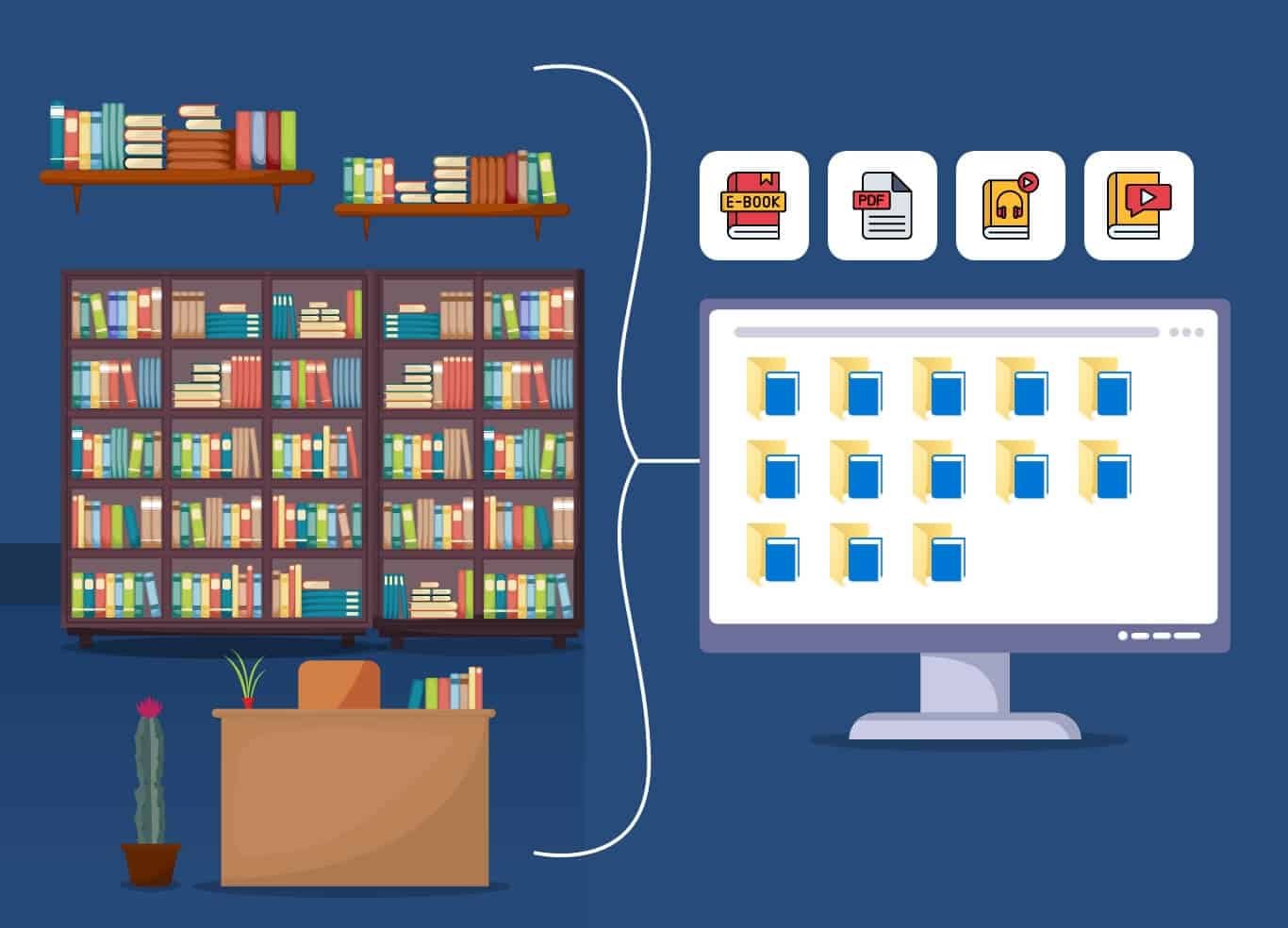
Any government body or entity generates and even collects a large number of documents entailing critical and confidential information. Government records management has become a beneficial approach, resulting in a smoother process, faster decision-making, enhanced data security, greater accessibility, and more. Digital document management is more than just scanning paper into a PDF.
In the context of governance and compliance, it is a strategic process involving advanced technologies to convert physical records into fully searchable, classified, and integrated digital assets for quick access and streamlined services. Nonetheless, document digitization offers multiple perks, such as;
- Automated workflow
- Centralized access
- Strong data security
- Access control
- Space saving
- Compliant digital assets
These are some of the benefits that shed some light on the importance of data digitization services. Let’s explore the process of document conversion into a digital format.
Key Steps in the Digital Document Digitization
Digitization concepts have transformed how businesses operate and streamline daily activities. With the rapid increase in documents and even in government bodies, managing massive amounts of documents is crucial. As discussed briefly, secure document digitization is a comprehensive approach that brings a beneficial outlook and framework to securely and precisely manage documents. While document data digitization is significant in the modern environment, it involves several steps that lead to the efficient, secure, and accurate digitization of crucial information. Following are;
Steps for Digital Document Digitization
Scanning and Capture
Integration
Standardization
Instant Retrieval
Indexing and Classification
Document Digitization
Single Source of Truth
Automated Retention
Version Control
- Scanning and Capture: Converting paper into high-quality images. It is important to choose the right technology, such as Optical Character Recognition (OCR) / Intelligent Document Processing (IDP), to transform images into machine-readable, searchable text and automatically extract key data fields (e.g., names, dates, amounts).
- Indexing and Classification: Tagging the documents with metadata (type, date, owner, retention period, sensitivity) for easy organization and retrieval. This process is known as document indexing services.
- Integration: Storing and linking the new digital files within a secure Document Management System (DMS) or an Enterprise Content Management (ECM) system, making the data accessible to core business systems.
- Document Digitization: Data Governance is the framework of policies, procedures, and standards that ensures an organization’s data is accurate, consistent, and handled properly throughout its entire lifecycle. Digitization directly addresses several core governance challenges.
- Standardization: Digitization forces the standardization of data capture and metadata tagging across the organization, supporting the target systems and making them easy to access.
- Single Source of Truth: A DMS provides a centralized repository for all documents, ensuring that all employees and systems use the latest, validated version. This eliminates the risks associated with conflicting or outdated information.
- Instant Retrieval: With OCR and indexing, an entire archive becomes searchable by keywords, date, or metadata, reducing retrieval time from minutes (or days) to seconds. This is invaluable when responding to an auditor’s request or a Right of Access request under GDPR.
- Automated Retention: Digital systems can automatically apply and enforce document retention and disposal policies based on metadata classification (e.g., delete all contract drafts after 7 years). This removes human error from a critical compliance task.
- Version Control: The DMS automatically tracks and records every revision, ensuring a complete and accurate history of the document is maintained, which is essential for legal and financial governance.
The above-mentioned are generic steps that can be altered as per the project or volume of the same. As a matter of fact, these steps lead to successful record management and ensure the security of confidential data. Digitalization enables data security and compliance, ensuring government data remains confidential. Explore how document digitization helps maintain security and manage records.
Document Digitization for Records Management
Compliance refers to an organization’s adherence to regulatory requirements and legal mandates. While implementing document data digitization services, it is essential to adhere to policies and data protection guidelines to avoid data breaches, theft, or loss of information. Digitization simplifies and strengthens compliance across the board:
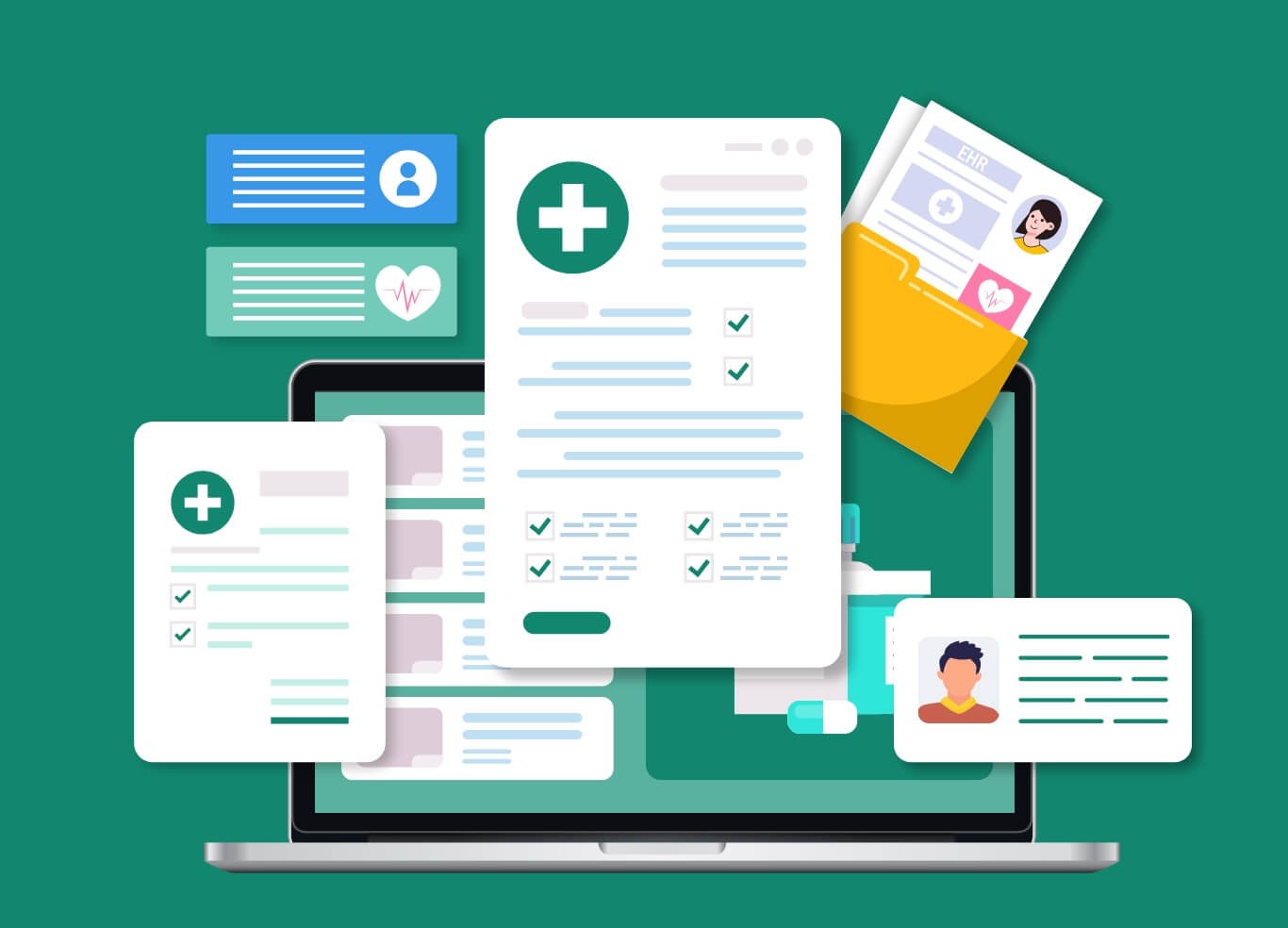
Benefits of Digital Record Management
Access Control
Redaction
Faster Audit Preparation
Secure Backups
Baseline Assessment
Establish Governance Policies
Encryption
Comprehensive Audit Logs
Implementation Strategy
Pilot Project
Training and Adoption
Scale and Optimize
Enabling Disaster Recovery and Business Continuity
- Access Control: Digital systems enforce strict Role-Based Access Control (RBAC), ensuring only authorized personnel can view, edit, or share sensitive documents (e.g., only HR can view employee files).
- Encryption: Documents are secured with encryption both at rest (in storage) and in transit (when accessed), significantly protecting sensitive data (like Protected Health Information under HIPAA).
- Redaction: Some advanced systems allow for automated redaction of sensitive information, such as social security numbers or credit card details, directly within the digital document to meet privacy standards.
- Comprehensive Audit Logs: A digital system automatically generates a detailed log for every action—who accessed the document, when they viewed it, what changes they made, and when it was deleted. This provides an irrefutable audit trail required to prove compliance to regulators.
- Faster Audit Preparation: Compliance teams can gather all required documents for an audit in minutes, drastically reducing the cost, time, and stress associated with manual audit preparation.
- Enabling Disaster Recovery and Business Continuity: Paper documents can be destroyed by fire, flood, or accident, leading to catastrophic compliance failure.
- Secure Backups: Digitized records can be backed up to redundant, geographically diverse cloud storage. In the event of a disaster, critical records are instantly recoverable, ensuring business continuity and avoiding non-compliance due to data loss.
- Implementation Strategy: To successfully leverage digitization for governance and compliance, consider this phased approach.
- Baseline Assessment: Identify all critical document types (contracts, invoices, employee records) and map their current paper-based flow against regulatory requirements (e.g., retention periods, access restrictions).
- Pilot Project: Start with one high-volume or high-risk document process (e.g., accounts payable or HR onboarding). Select and implement a solution with robust security, OCR/IDP, and retention policy features.
- Establish Governance Policies: Define the new digital policies for naming conventions, metadata standards, access roles, and retention schedules. Ensure these are built into the DMS configuration.
- Training and Adoption: Train all staff on the new digital workflows and the importance of adhering to the new governance structure. Executive sponsorship is key to driving cultural change.
- Scale and Optimize: Once the pilot is successful, scale the solution across other departments and continuously refine the extraction accuracy and compliance rule sets.
As these mentioned, these are a few methods that come under data security and compliance; it is also evident to use the right technology and experts to ensure the process is accurately followed. Hence outsourcing to document digitization companies is a holistic approach that ensures security, adheres to policies, enhances accessibility, and more. Nonetheless, outsourcing is a cost-effective option that helps government businesses or bodies focus on core activities without incurring high capital costs.
Significance of Outsourcing Digital Document Digitization
As briefly discussed, secure document digitization has become a prominent approach. Digital transformation stores, manages, and offers access to information without consuming much time. While government associations look for novel ways to digitize massive documents that entail crucial information. Outsourcing data digitization is a cost-effective, seamless, and beneficial approach that enables firms and government bodies to precisely digitize massive documents with the latest technology. Document digitization companies aim to offer efficiency, security, and precision while strictly adhering to data security guidelines. As a matter of fact, outsourcing data digitization enables the offering of various benefits such as;
- Security data
- Seamless process
- Accurate process
- Dedicated resources
- Quick turnaround
Uniquesdata is a top data digitization company offering accurate document digitization services, backed by a team of professionals. Experts leverage the power of the latest technologies for a precise digitization process and adhere to security and compliance guidelines.
Conclusion
Document data digitization services is not merely a cost-saving initiative but a fundamental transformation that secures the entire data ecosystem. By converting vulnerable paper into structured, manageable, and traceable digital assets, organizations gain the control, transparency, and automation necessary to achieve and maintain superior data governance and compliance in the modern regulatory landscape. The investment is one of necessity, moving from reactive risk management to a proactive, automated compliance posture.